Acintya Shenoy, Week #9: The Power of Powerlessness
The first thing that came to my mind when I read the word “power” was the song of the same title by Little Mix. This song has been with me through thick and thin, beginning with all the MCU edits I used to watch in 2020. Seeing my favorite heroine, Natasha Romanoff, fighting off a group of bad guys with nothing but some killer martial arts moves while that song played in the background was life-changing—and still is.
So imagine my surprise: one day, I’m scrolling through Instagram Reels (like the procrastinator I am), and I find a video with a caption that reads, “Black Widow pretending she’s a part of the team after doing absolutely nothing.” The background is an image slideshow of the woman herself.
I’m not here to start microanalyzing every single fight Natasha’s had in the series—heck, I don’t even remember half of the Marvel movies I’ve watched. Her actual capabilities as a fighter are irrelevant to me—I want to talk about how readily people dismiss her as “weak” compared to her male counterparts.
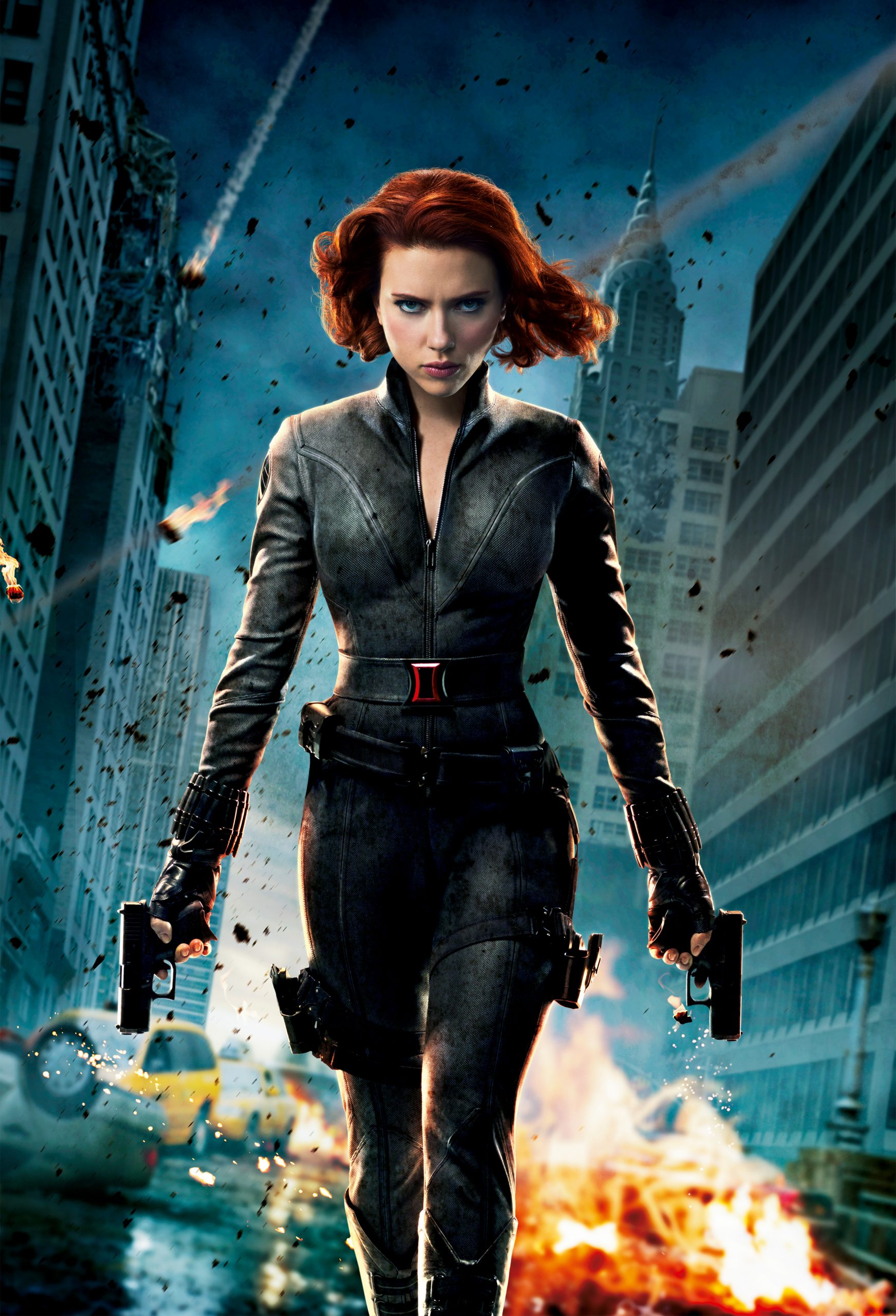
She's been my favorite character since elementary school. (Credit: The Mycenaean)
Of course, this same phenomenon happens to male characters (an obvious example being Hawkeye), but it hasn’t manifested in reality, affecting real people, the same way it has for women. In a patriarchal society, women can gain recognition for two things: either she can be the perfect example of a submissive woman upholding the patriarchy, or she can embody traits of masculinity (such as physical prowess and technical intelligence) just to a useful or amicable extent. In other words, Natasha’s worth as an Avenger is primarily tied to how well she does in physical combat, because that (among other things) is what determines a character’s value according to male audiences.
Women shouldn’t be expected to perform at the highest level just to be considered among her male peers. Of course, it’s great if they do—but we cannot expect to empower women as a whole when we only empower those who are already powerful. Natasha Romanoff loses fights sometimes. So what? She’s still an incredibly interesting character. And she certainly isn’t worth less than any male hero.


Hi Acintya! I love Black Widow too! Even though I haven’t watched any Marvel movies, she stands out the most to me for some reason. Her and Wanda have the most aura to them even though I don’t know anything about them.
ReplyDeleteYes!! I’m so glad you brought this up because misogynistic comments such as the ones you mentioned are so normalized that most people online are desensitized to these comments. Especially due to the comfort in being in anonymity, these comments are even more prevalent among comment sections and social media posts even if they were unintentional. Even though I wholeheartedly agree that this is an issue, I acknowledge that progress is being made for the female gender–women are able to pursue different careers other than household work, and it’s being more widely accepted for them to do so. However, I agree with you in that the treatment of each gender is still not equal. Similar to your examples of seeing women cook online, I also saw TikToks of this recent trend where people claim that they are “optionally chopped” and show themselves comfortably at home (maybe in a messy bun or wearing a face mask) vs. them outside with makeup done, hair styled, and nails done. Unless they look like Megan Fox or Adriana Lima, these young girls who post to follow a trend receive floods of hate comments because they do not look like the desired image of a woman. It’s honestly insane how fast random users online crush an innocent girl’s passion to post videos just for fun. Thanks for bringing this up, Acintya! Even though it’s good to recognize the progress that women have made, they still strive to be equals to men. Women are still inevitably suppressed physically, whether that is in terms of strength or beauty.
Lovely blog, Acintya! :)
Hi Acintya! If there is any solace, I also like the Marvel character, “Black Widow” and I am a man. I greatly appreciate this blog because reading it reminds me about the Marvel movies and the period of my life when I was obsessed with them. However, the “rise of ‘manosphere’ influencers” shared by you really saddens me. The hyperlinked article that you attached explains the podcast titled “Why Women Deserve Less” by Myron Gaines has over 1 million views on youtube which as you suggested is extremely problematic. By creating this kind of safe zone of misogynistic thinking, it leads to some people wholeheartedly believing their ideology is true, and leads to worse situations in real life. This entire blog reminds me of how some movies are casted with only strong women and are extremely one dimensional. These movies are often disliked even when they were made by celebrities and could have been blockbusters; demonstrating at least there is still some faith in humanity.
ReplyDeleteI appreciate your discussion of the rift between a submissive woman and masculine one. Reading that line, I am reminded of the term “man with boobs.” I have seen it used online to describe a common movie trope where women are written as ultra-masculine (often to an annoying extent) characters. While de-feminization is often done with the intention to separate a female character from stereotypical gender attributes, it results in a one-dimensional character most of the time. Either way, people still find a way to put down women in Marvel!
ReplyDeleteI think that Black Widow is a good example of the tightrope writers have to walk when creating female characters. Natasha Romanoff has to be self-assured so that her place in the Avengers team is not questioned–although, you have pointed out that this happens regardless–yet not too confident that she becomes unlikable by a misogynistic audience. On the other hand, they still try to define her sexuality with skin-tight suits and a full face of makeup in order to appeal to the male gaze.
Building onto your paragraph about social media, I think that this reflects an overall tendency to criticize women in the domestic sphere. We have been flooded with feeds of photo-shopped, filtered, and AI-generated content, all of which leads us to expect flawlessness in each and every piece of media we see. Women don’t have perfect days all the time, and they absolutely should not be punished for it.
Fiction or real life, women are not meant to be consumed for pure enjoyment. Black Widow deserves better!